Five Rooms
Spatial Analysis, Residential Planning, Technical Drawing
Florence, Italy
Fall, 2025
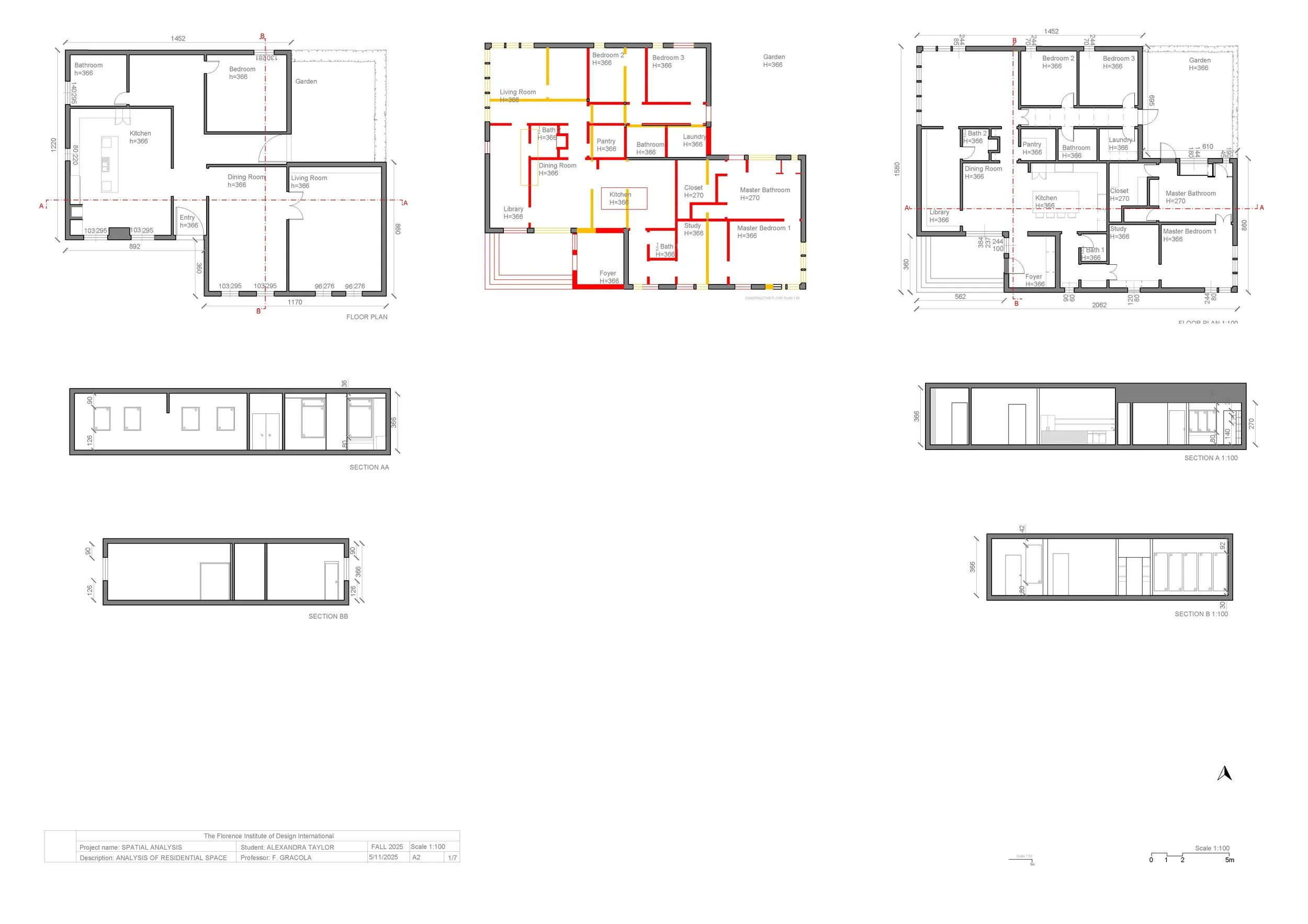
This academic studio project explored residential planning through spatial assembly and revision. Five unrelated rooms—a bedroom, bathroom, kitchen, dining room, and living room— were sourced independently and assembled into a single floor plan using inferred dimensions based on visual cues and architectural standards.
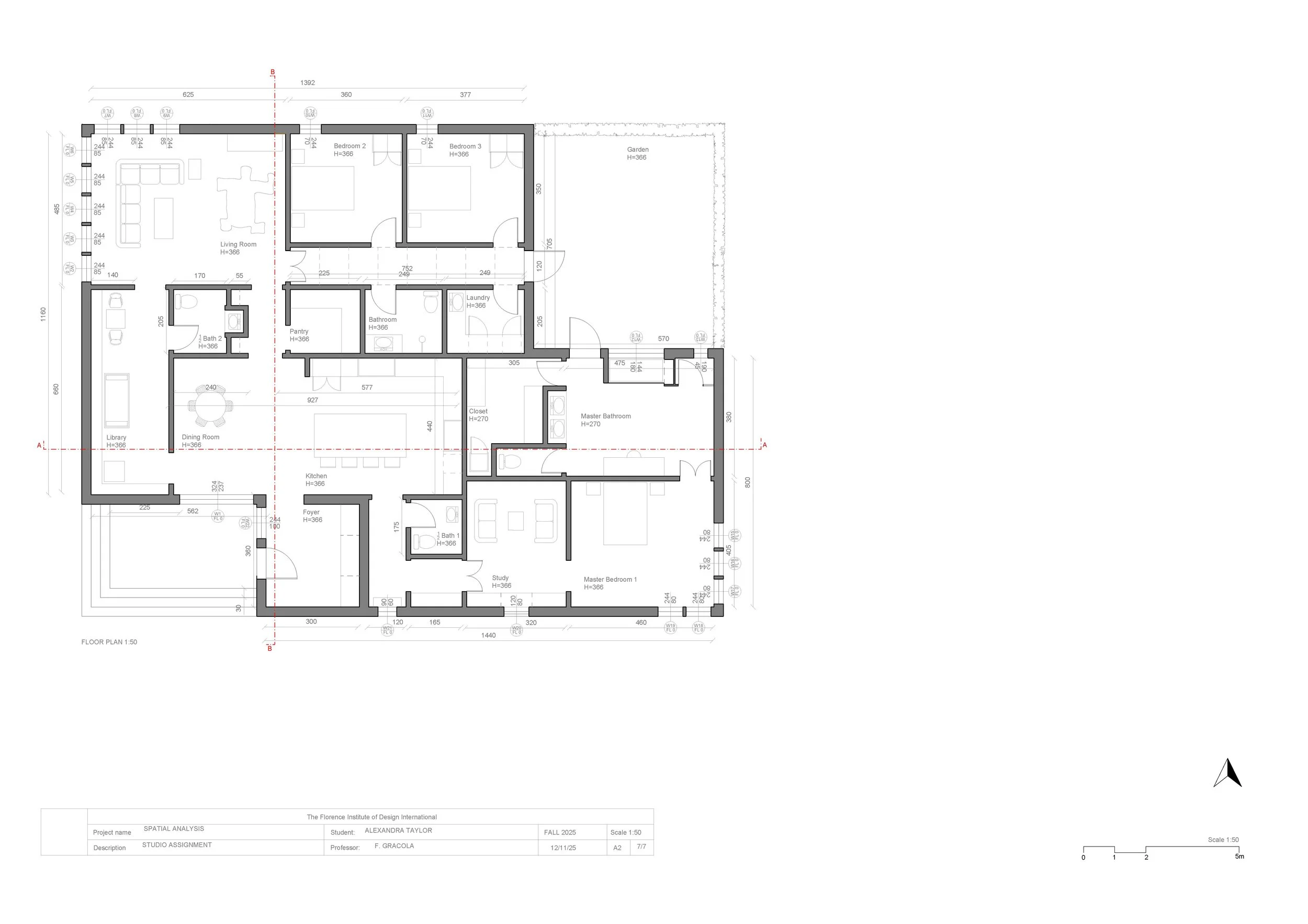
The initial layout intentionally revealed inefficiencies and excess space. The project then focused on reworking the plan with a clear point of view, prioritizing privacy, independence, and retreat over continuous openness. Rather than forcing constant engagement through large, undifferentiated spaces, the revised plan organizes the home around distinct rooms with specific purposes and atmospheres, allowing the house to support different moods, rhythms, and degrees of social interaction.
The result is a spatially dynamic home that feels as layered and alive as the people inhabiting it, supported by detailed floor plans, sections, and elevations at 1:100 and 1:50 scale.
Project Details
-
Used found rooms as raw material, embracing misalignment and inefficiency as a starting point rather than a flaw
Identified excessive dead space in the initial assembly, revealing opportunities for spatial compression and reorganization
Reframed the brief from layout exercise to livable home, prioritizing daily rhythms, privacy, and use
Challenged default openness, instead exploring how separation can support comfort and function
-
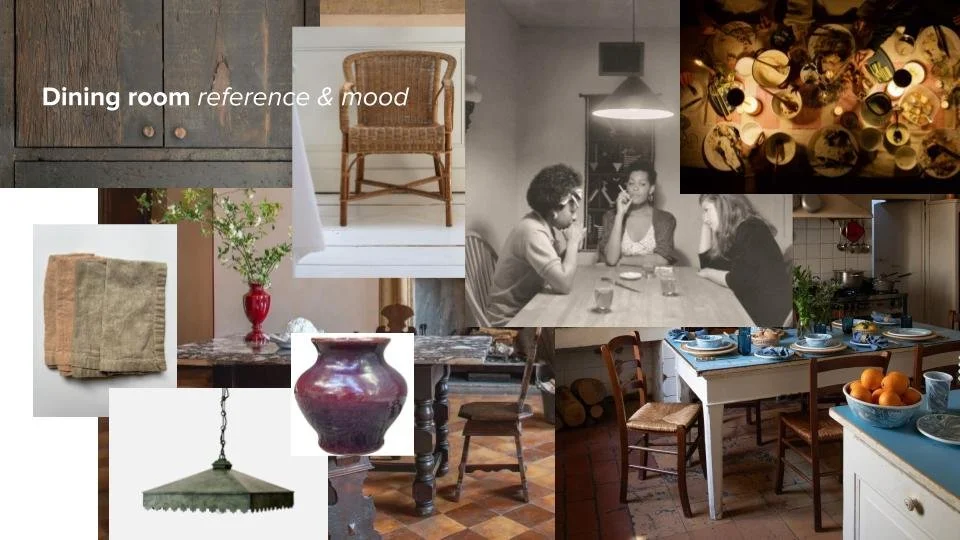
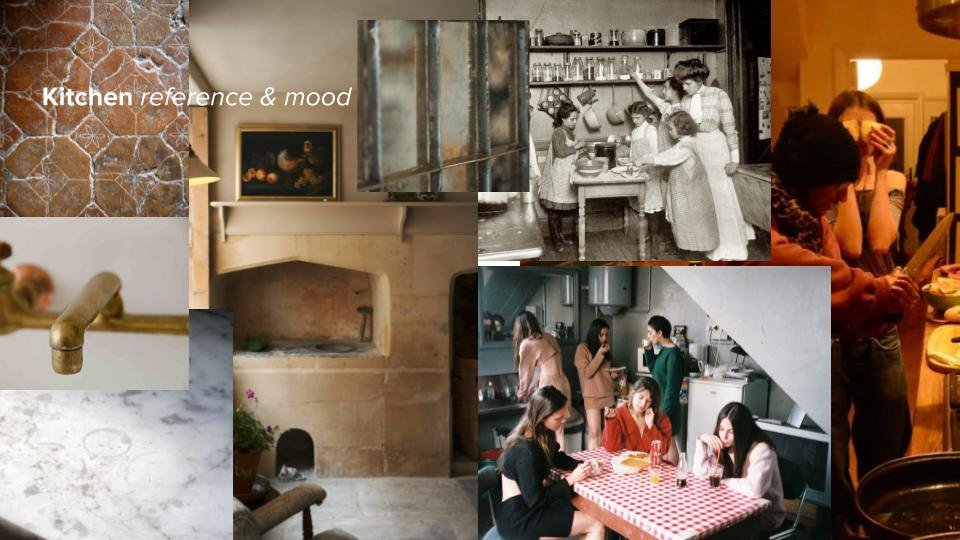
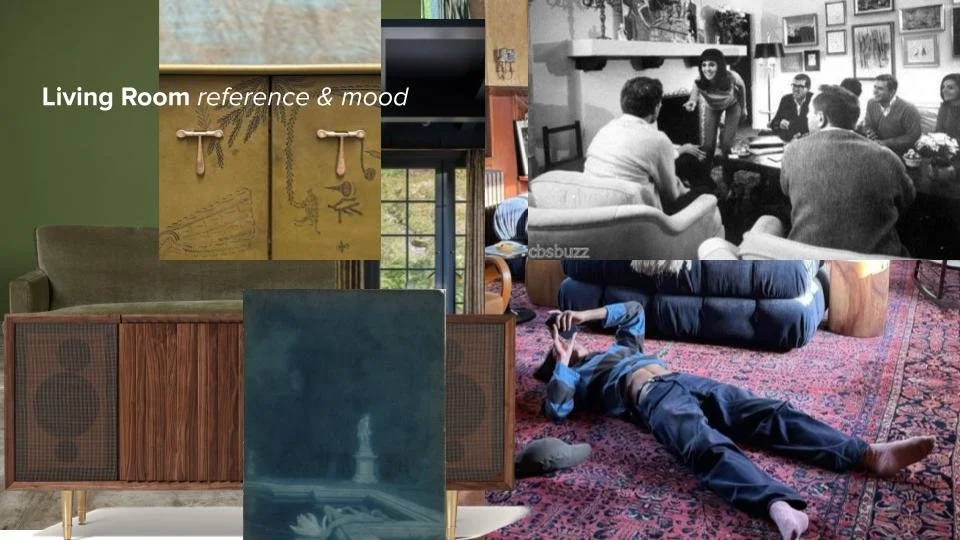
Designed a home organized by mood and purpose, with different rooms supporting different types of activity
Introduced a recessed entry and vestibule, allowing a moment of grounding before entering the main living spaces
Positioned kitchen and dining as social anchors, open and connected for family life
Created a long, darker circulation spine, contrasting with light filled rooms to heighten spatial rhythm
Separated public and private zones, giving the primary suite a sense of retreat and protection
-
Emphasized thresholds, compression, and release to structure movement through the home
Used vestibules as spatial buffers, including a conversation room leading into the primary suite
Designed the living room for gathering and pause, oriented toward windows, records, and conversation
Introduced a glazed corridor to bring light into secondary bedrooms while maintaining separation
Balanced openness with enclosure, using room boundaries to create clarity, privacy, and calm
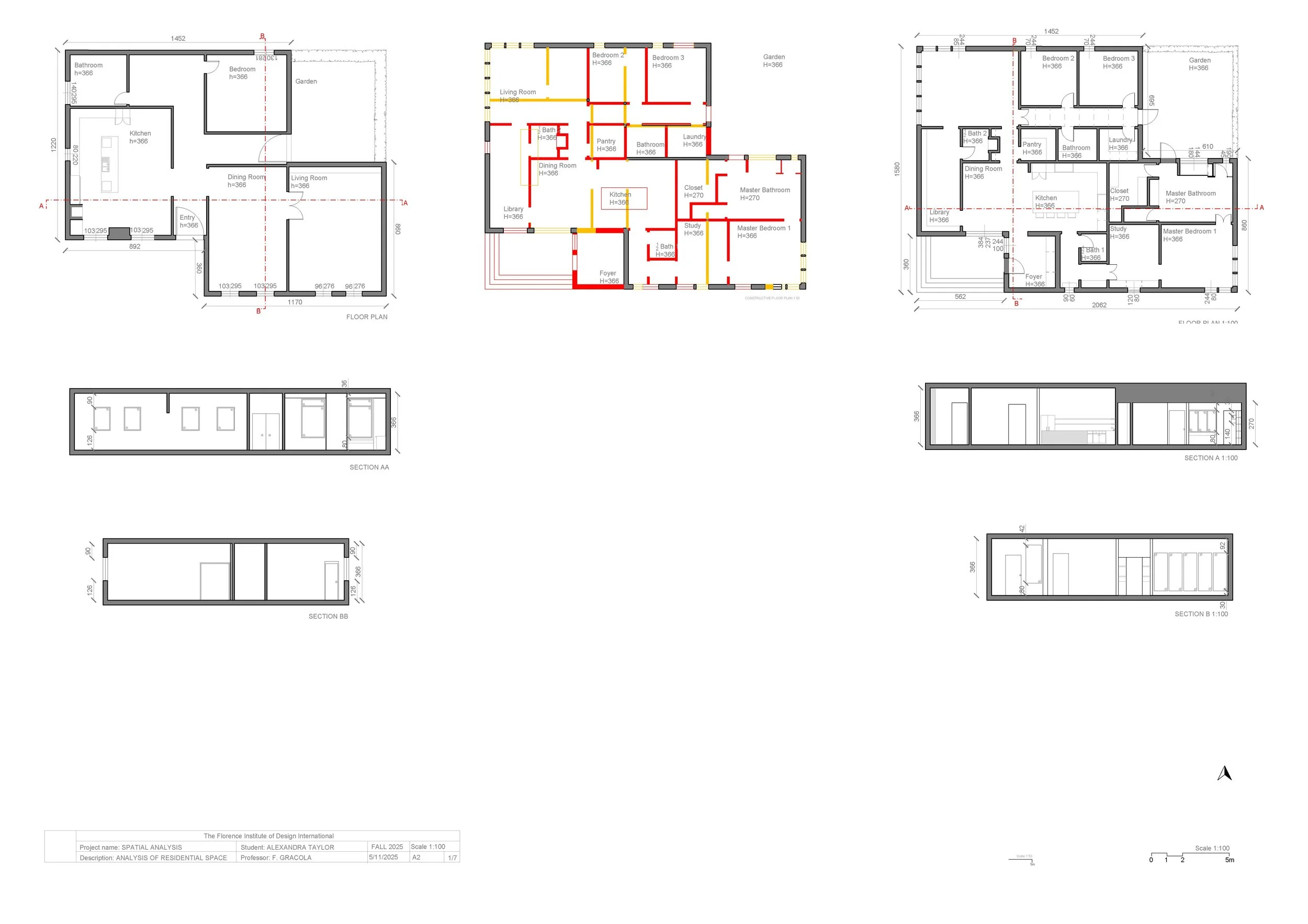
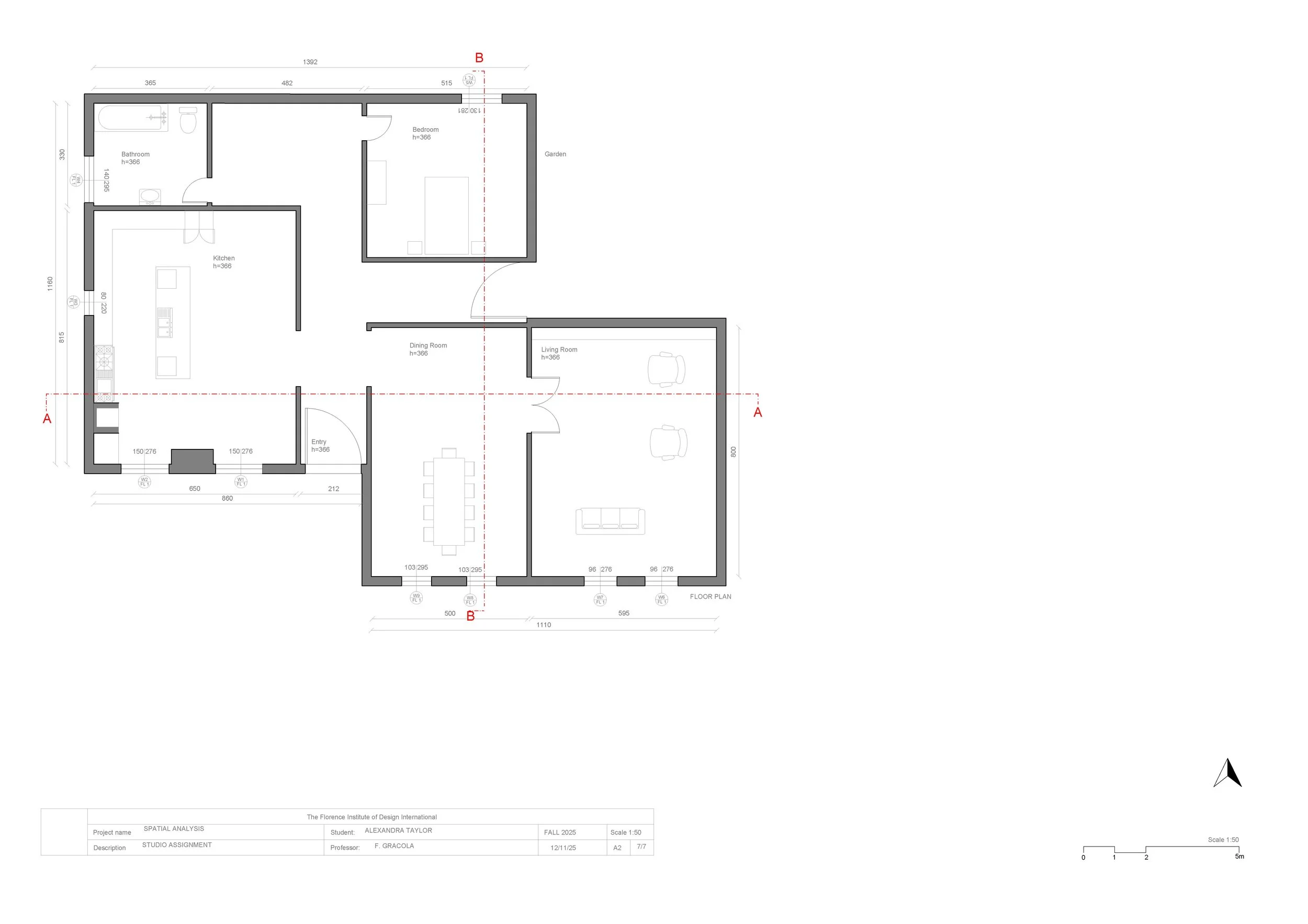
BEFORE: Floor Plan, 1:50
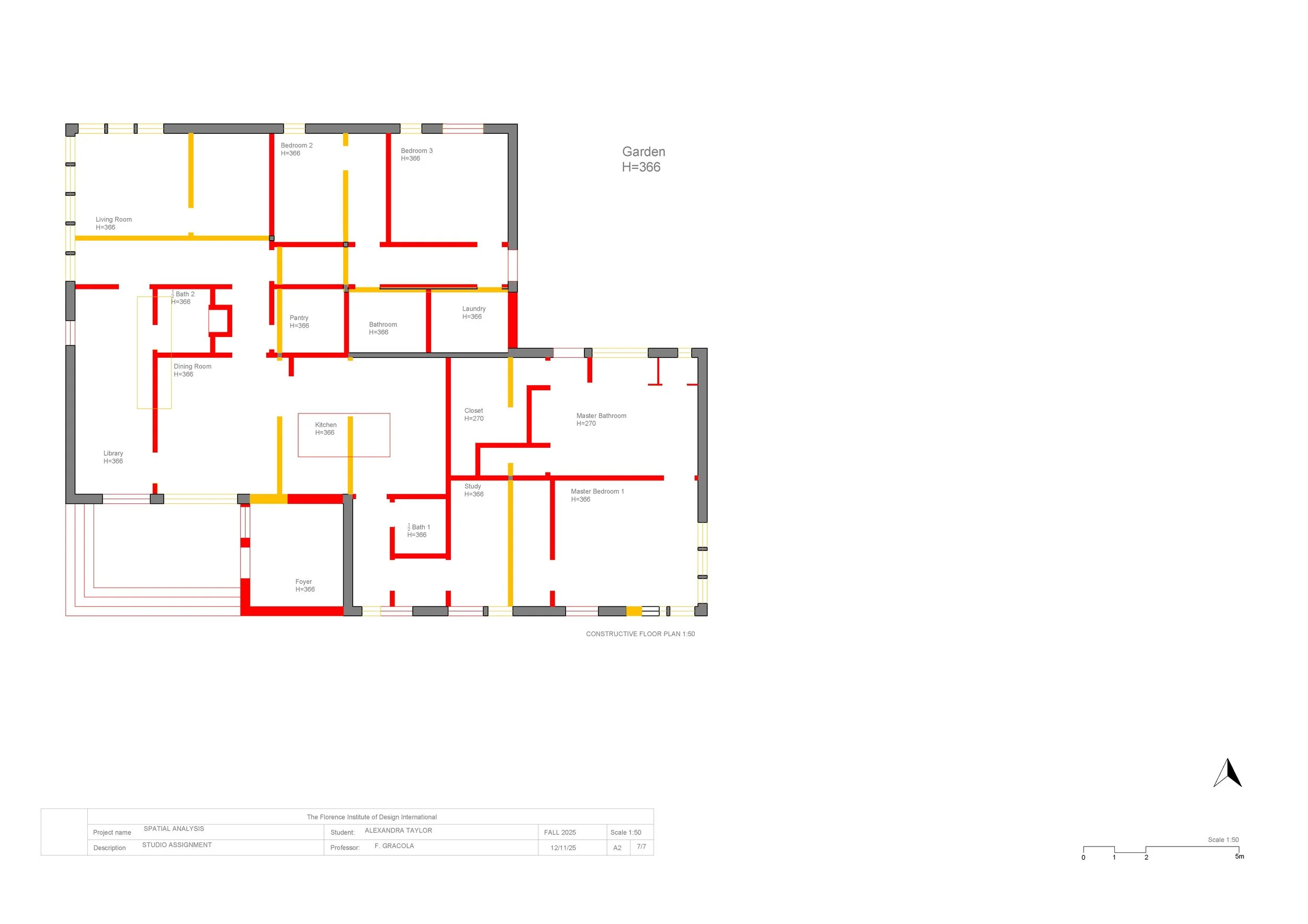
CONSTRUCTION: Floor Plan, 1:50
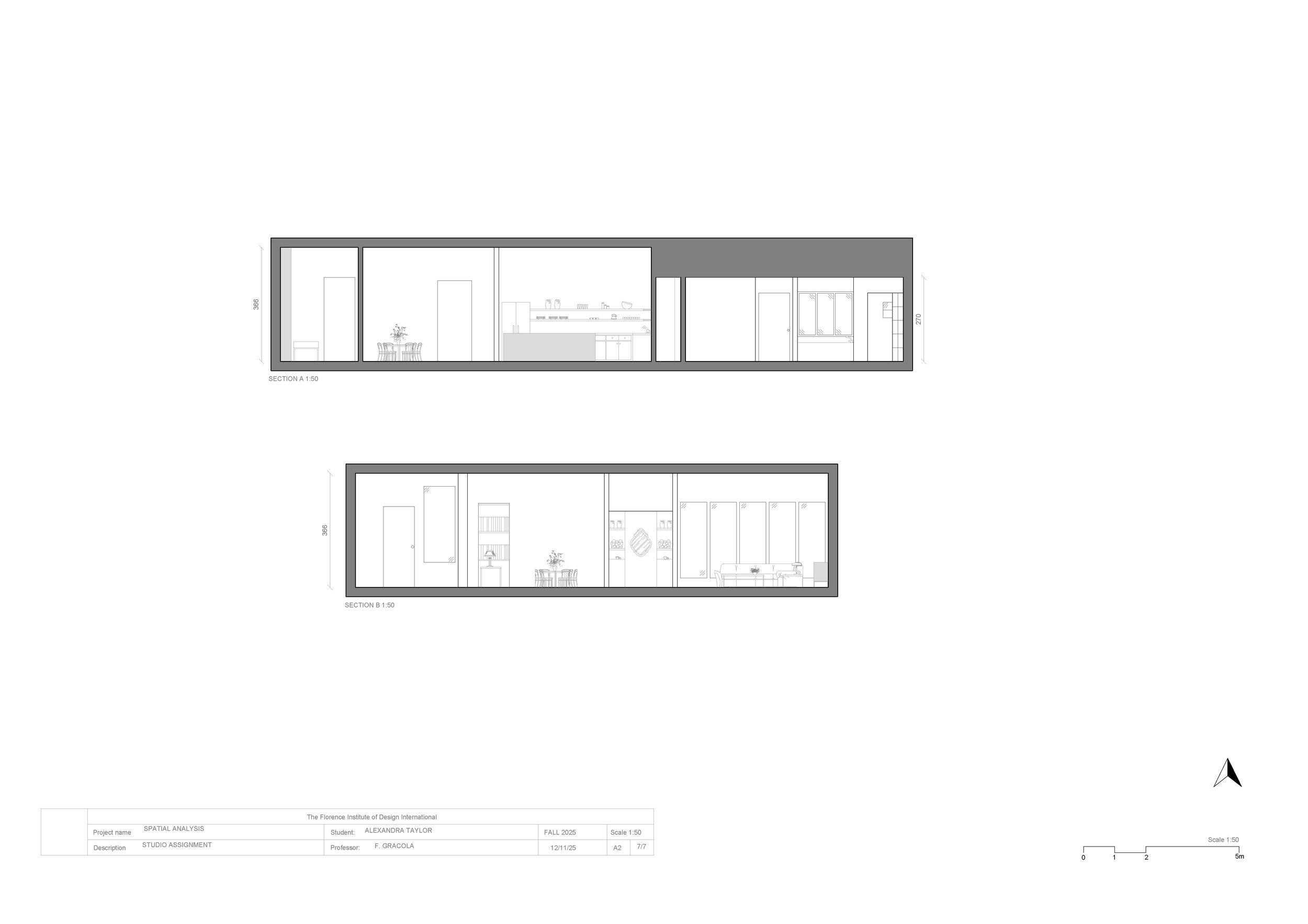
Section A, 1:50
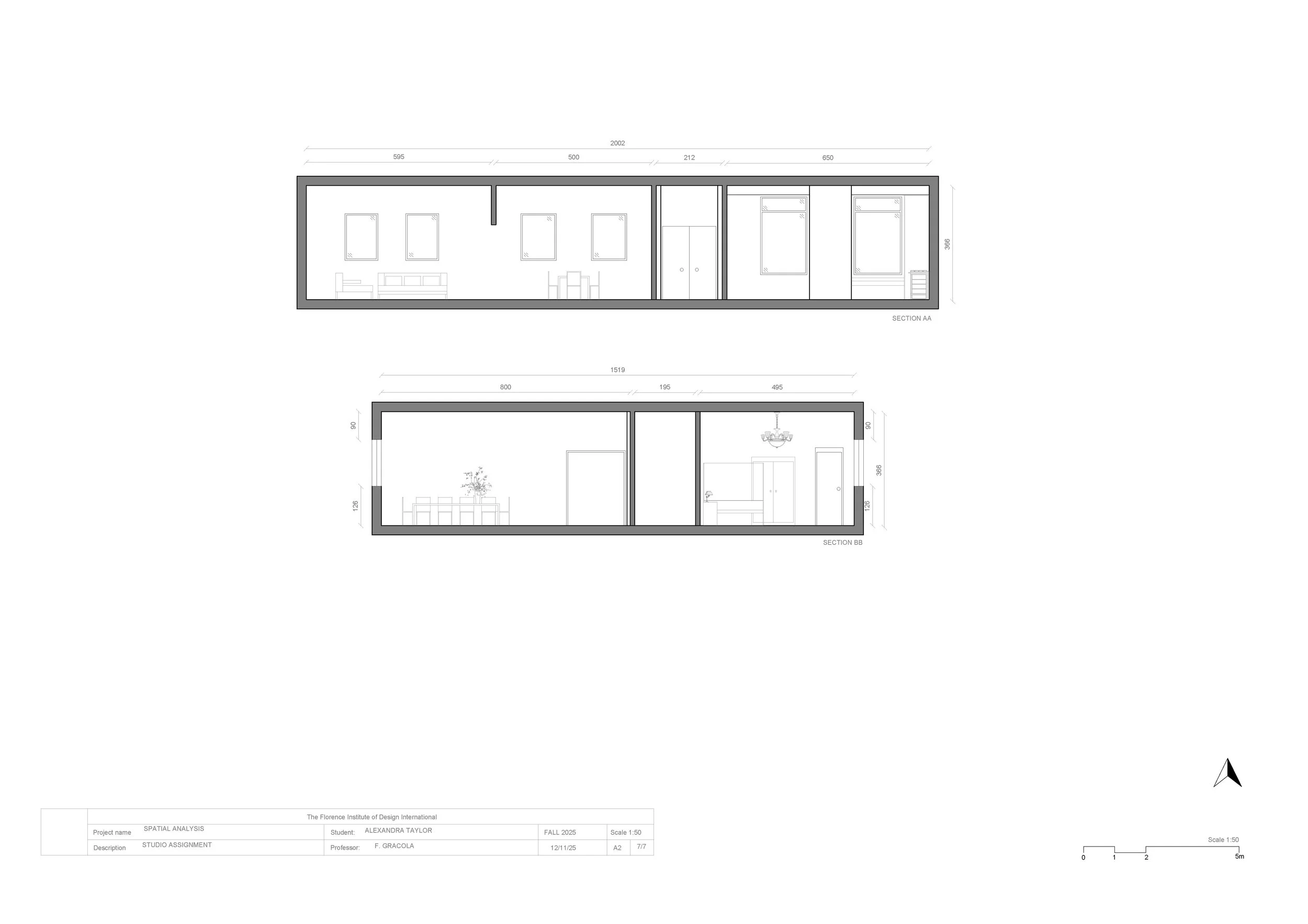
Section B, 1:50
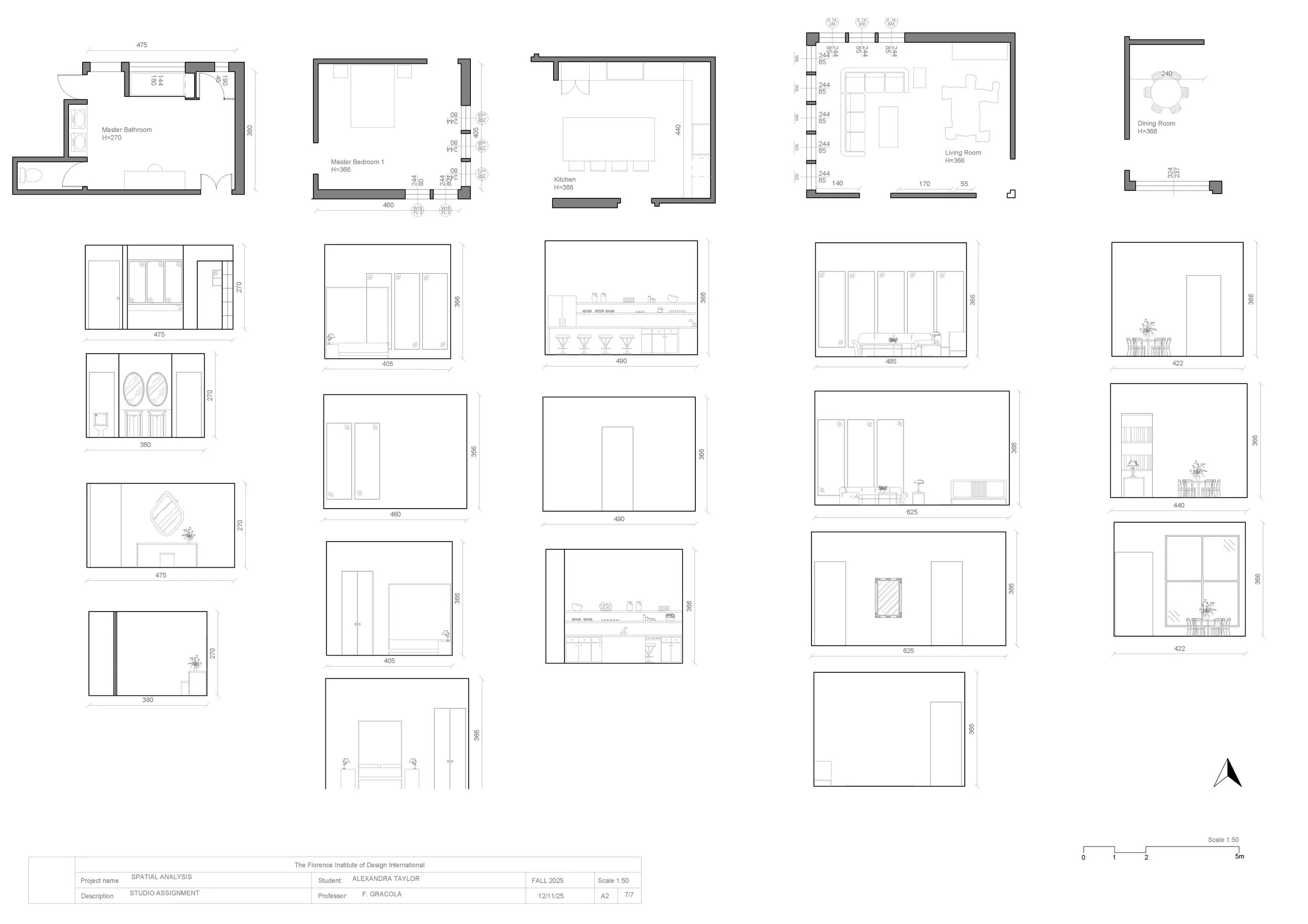
Elevations, 1:50